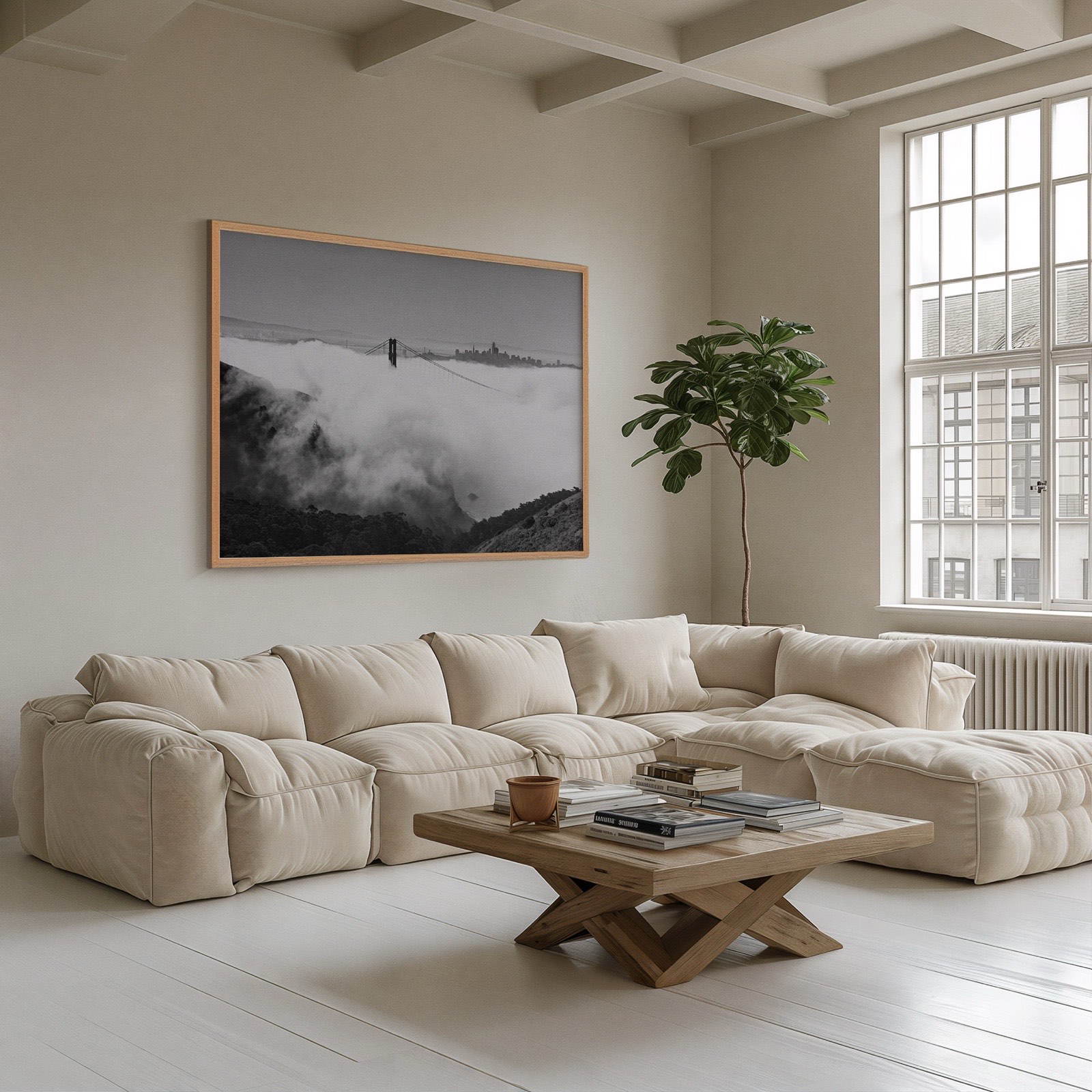

When someone asks me about limited editions, what they're usually asking is simpler: is this worth keeping? Will it still mean something in ten years? Is there a reason to own this one, now, rather than wait?
Those are the right questions. The term gets used loosely, which makes it harder to answer. Here's what it actually means, and what to look for before you buy.
What makes an edition limited
A limited edition photograph is one where the artist commits, in advance, to a fixed number of prints. Once that number is reached, no more are made. The image is closed.
That last part is what matters. "Limited" only means something if the limit is real and enforced. An edition of 500 with no documentation process is marketing language. An edition of 15 with signed certificates, numbered sequentially, and a stated policy that the image is retired when the edition is complete: that's a structure with actual weight.
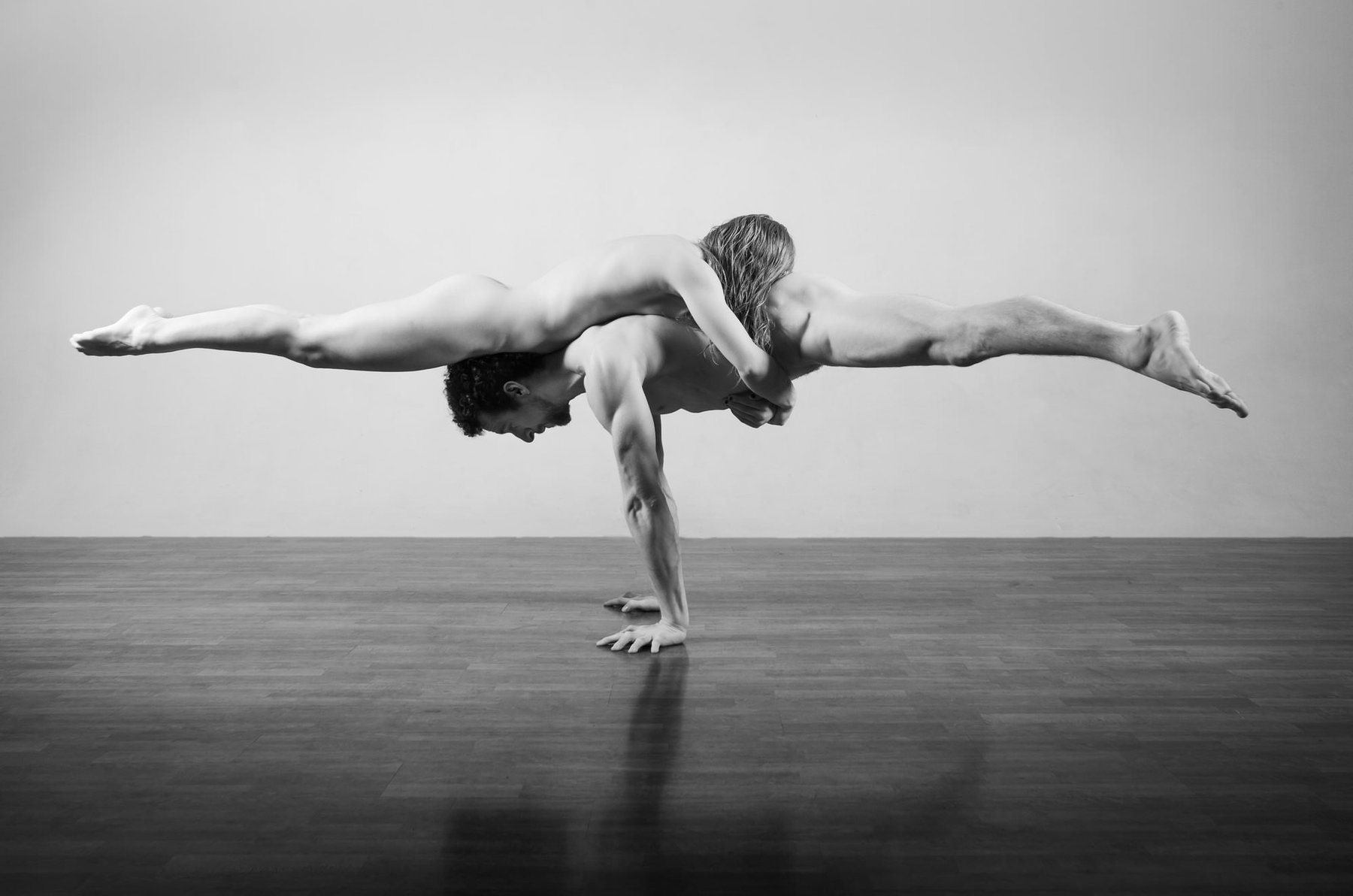
In my work, edition sizes stay small. The largest I produce is 25 prints for a given image at a given size. Most sit between 10 and 15. That's the natural result of making work on 4x5 and 8x10 film, where each negative is singular and the printing process is slow and deliberate. Volume was never the point.
Why the second number is the one that matters
Collectors sometimes assume print number 1 of 15 is more valuable than print 15 of 15. It isn't. Both prints are identical. What matters is that second number: the total edition size. That's the ceiling. That's how many people in the world can own this specific image at this specific size.
A print numbered 3/15 means 15 people will ever own this image in this form. A print numbered 3/500 means 500 people could. The first number tells you where you are in the sequence. The second number tells you the scarcity.
Edition size also varies by print size. I produce 16x20 and 30x40 prints. Each size has its own separate edition. Owning a 16x20 of a given image doesn't affect the 30x40 edition. They're distinct objects with distinct structures.
What proper documentation looks like
When you acquire a limited edition print, you should receive a Certificate of Authenticity. It should include: the image title, the series, the edition number and total size, the print dimensions, the medium and materials, the date of printing, and the artist's signature.
That document matters at resale, at estate, and at any point the print moves to a new owner. Auction houses ask for it. Serious collectors keep it with the work.
My prints come with a signed certificate for each piece. If you're evaluating any fine art photograph from any artist and the certificate is vague, missing, or doesn't specify the total edition size, ask. The answer tells you something.
What you're actually acquiring
When the structure is honest, meaning a small edition, documented, from a body of work with a clear identity, what you're acquiring is a fixed and permanent relationship with an image. That's different from a product with scarcity attached to create urgency.
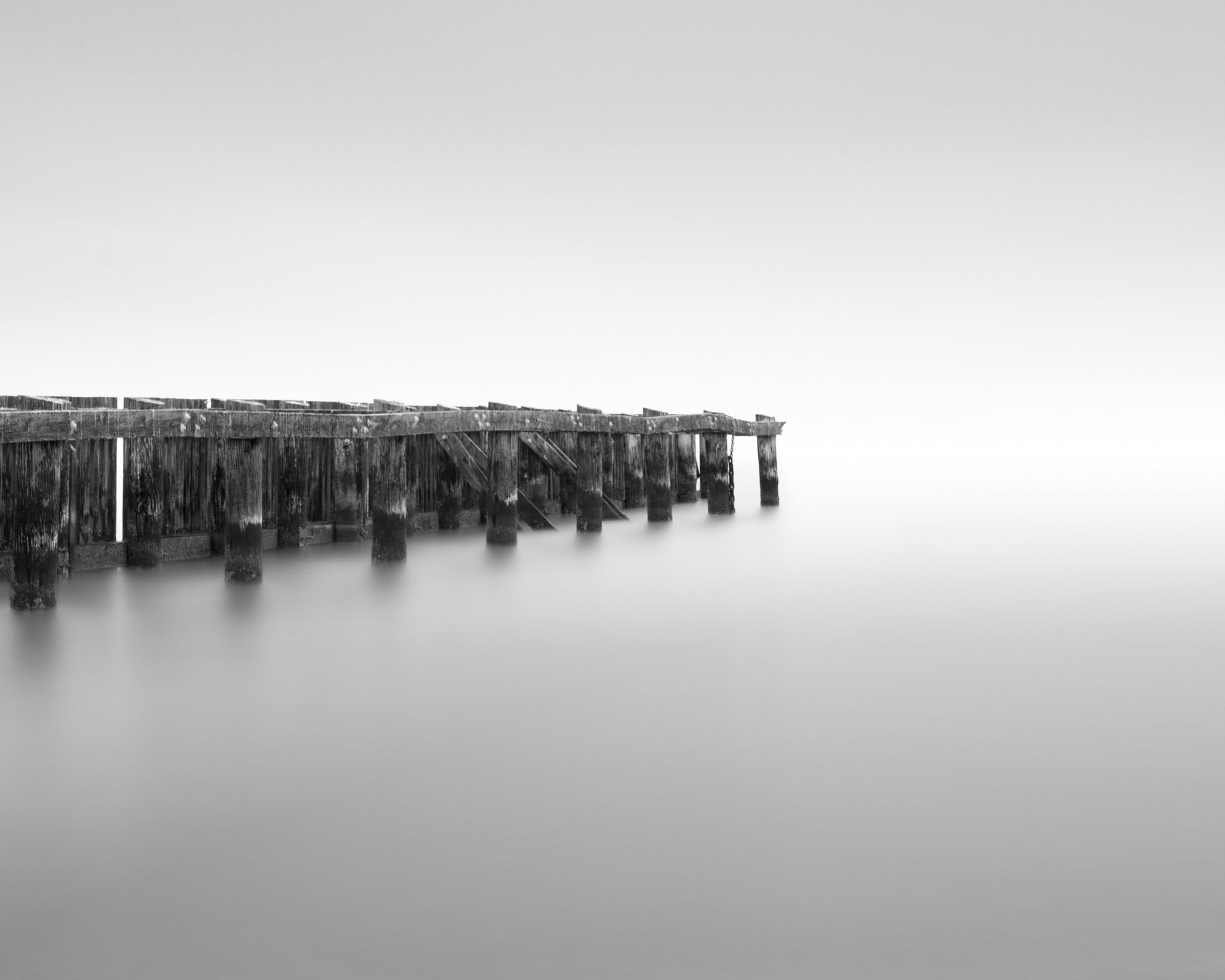
There are 15 people in the world who can own this print at this size. When the edition closes, that number is set. The image isn't gone, but this object is done.
That permanence is part of what makes a print worth living with over time. The image doesn't change. The light in it doesn't age. What changes is your relationship to it: what you notice looking at it in year one versus year seven, what it does to a room, what it holds when other things shift.
That's the real case for collecting. The scarcity is a byproduct of making something that takes time to make, in small numbers, that means something when it's on the wall.
If you're looking at a specific image and want to know the current edition status (how many prints have been produced, how many remain), get in touch.