You already know you want one. You've scrolled past it more than once. Maybe you've saved it to a folder on your phone. But you haven't bought it yet, and I think I know why.
The fine art photography world doesn't go out of its way to make first-time buyers feel welcome. Pricing can be opaque. Edition structures confuse even experienced art lovers. And there's a quiet fear most people won't say out loud: what if I spend real money on this and it turns out to be the wrong choice?
I want to make that easier by pulling back the curtain on what actually matters when you're buying a fine art photograph for the first time.
Ask what the print is made of
This is the single most important question most buyers skip. They focus on the image and forget that a fine art print is a physical object with a lifespan measured in decades or centuries, depending on how it was made.
Pigment-based archival prints on cotton rag paper can last well over a hundred years without fading. That's material science. The pigment particles are physically stable and resist UV degradation. The cotton rag is pH-neutral, so it won't yellow or acidify the way wood-pulp paper does.
Compare that to a consumer photo print from a drugstore, which can show noticeable color shift in 25 years.
When I print my work, it goes onto museum-grade cotton rag paper using archival pigment inks. That's a commitment to the object lasting as long as the wall it hangs on.
Understand what an edition actually means
A limited edition is a fixed number of prints from a single image. Each one is signed and numbered by the artist. "3/25" means it's the third print in a total run of twenty-five. After those are gone, there are no more.
This matters for two reasons. First, scarcity is real. Once an edition closes, the only way to own that print is to find someone willing to sell theirs. Second, edition structure signals whether the artist is treating their work as collectible or as merchandise. Small editions and transparent numbering tell you the photographer is protecting the long-term value of the work.
If an artist can't tell you the edition size, or if the edition feels arbitrarily large, that's worth paying attention to.
Look at the process behind the image
A photograph's value is in how it was made, not only what it looks like. Process tells you something about the artist's intention, and it tells you something about the object you're holding.
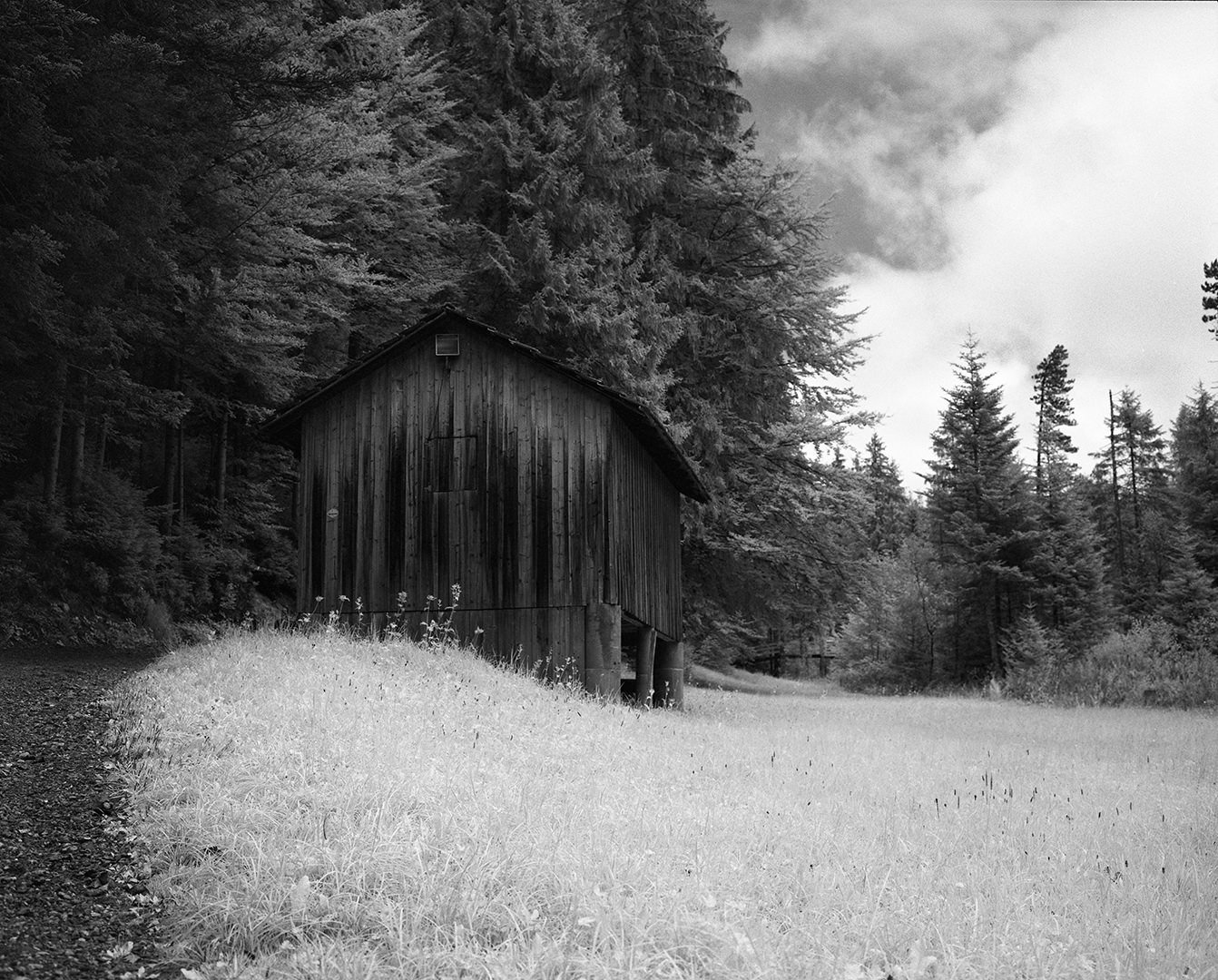
I shoot a significant portion of my work on 4x5 large-format film, and I'm working more and more on 8x10. A single 4x5 negative holds more tonal information than any current full-frame digital sensor at the sizes I print. That tonal range is what gives a black-and-white print its depth. The shadows hold detail and dimension that you can only see in the physical object.
Some of my landscapes are shot on infrared film, which transforms how light registers in foliage, water, and sky. The method follows the image.
When you're evaluating a photograph, ask the artist about their process. It gives you a window into what makes the work distinct. The answer should be specific.
Trust what it does to you
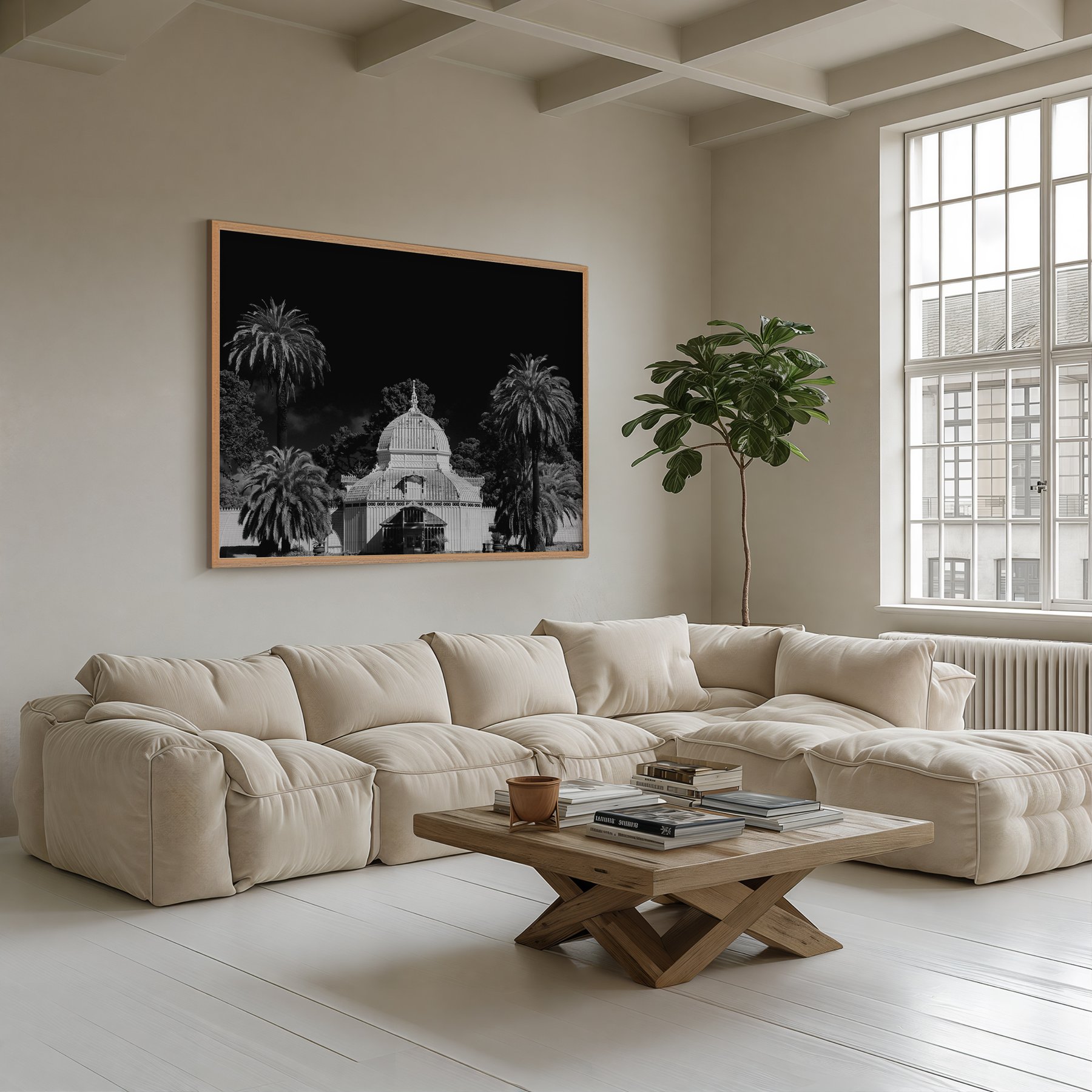
The most common mistake first-time buyers make is choosing a photograph based on whether it fits the color palette of a room. Black-and-white work sidesteps that trap entirely. The best photographs change a space.
A photograph that genuinely holds your attention will hold it for years. You'll notice new things in it. The light in your room will shift across it through the day. Guests will stop in front of it. That's what living with art actually feels like.
Buy the one that stops you.
Size matters more than you expect
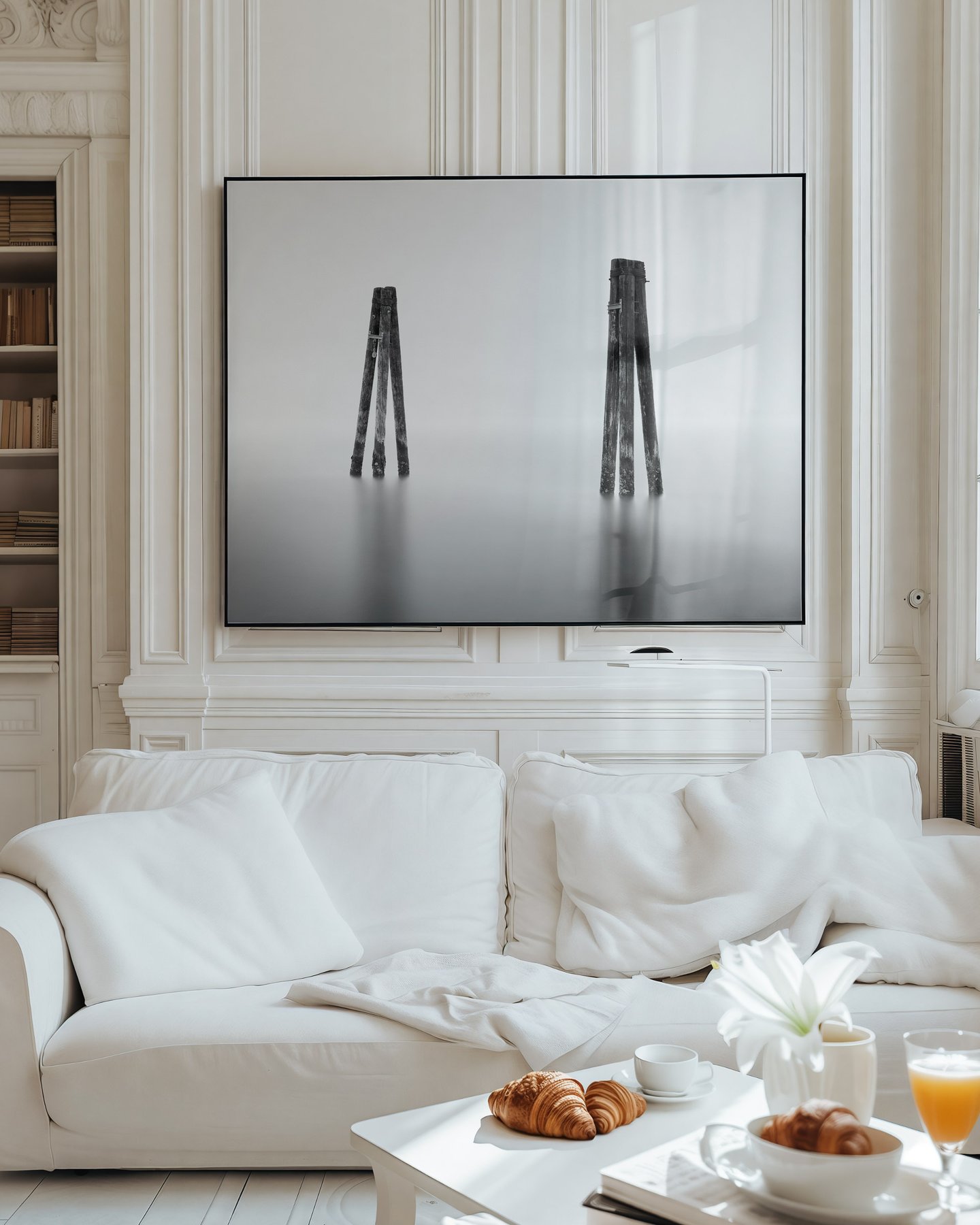
One of the most frequent regrets I hear from collectors is that they went too small. A 16x20 print has presence. A 30x40 print has gravity. The right size depends on the wall, but more often than not, people underestimate how much space a photograph needs to do its work.
If you're unsure, measure the wall. Hold up a piece of paper cut to size. Better yet, ask the artist or gallery for guidance. Most of us would rather help you get it right than make a quick sale.
The relationship is part of the purchase
When you buy directly from a photographer, you're starting a conversation. You learn why that image exists. You hear the story of the morning it was made, the conditions that shaped it, the choices in the darkroom or the print lab. That context becomes part of the piece.
I've had collectors reach out months after a purchase to tell me they noticed something new in a print. That's the kind of relationship this work is built for.
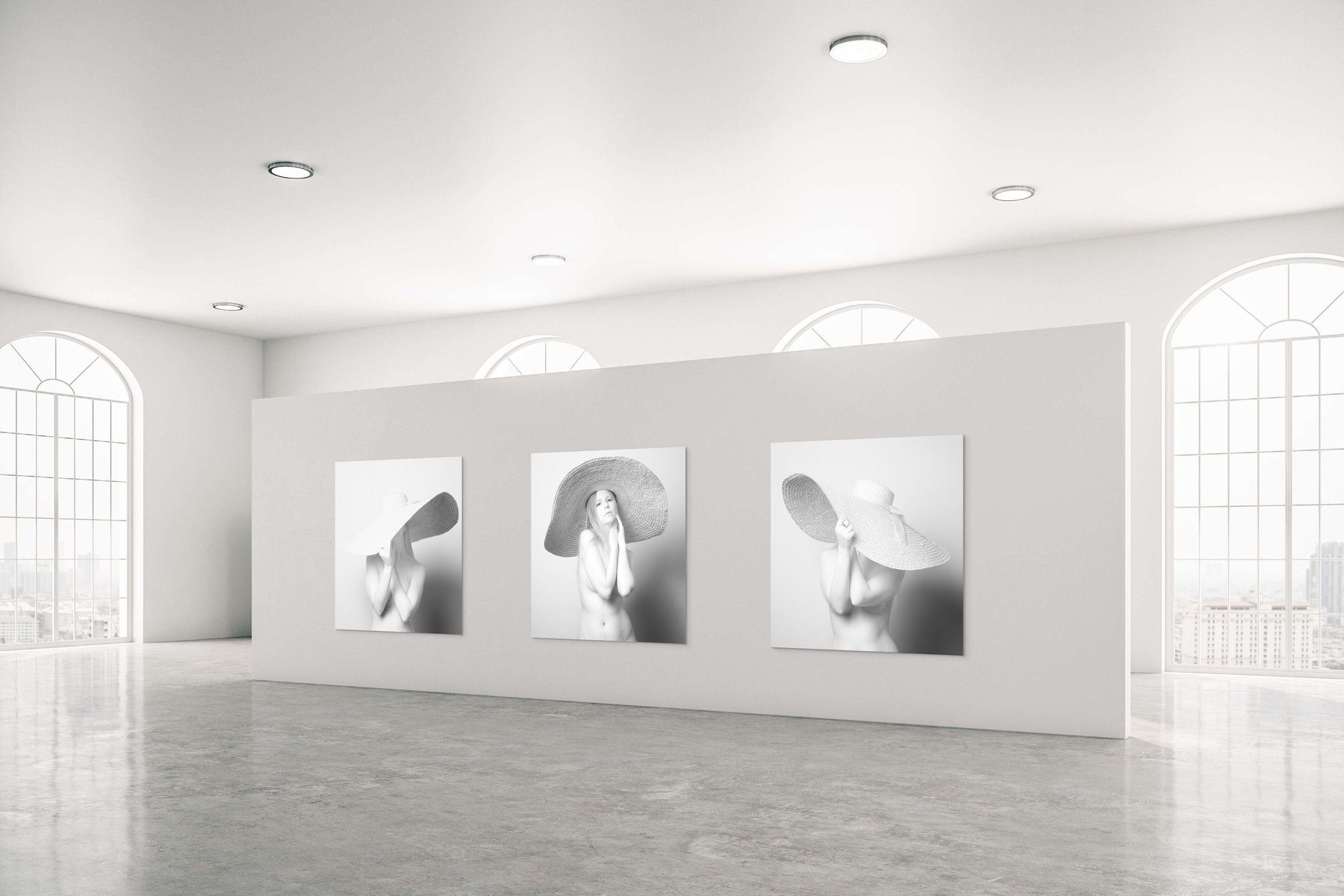
If you've been circling a photograph for a while, you probably already know it's the one. The next step is simple. Reach out. Ask your questions. There are no wrong ones.